
Hurt by an Amazon, UPS, or FedEx Delivery Truck in Indiana? The Company May Be Liable for More Than You Think
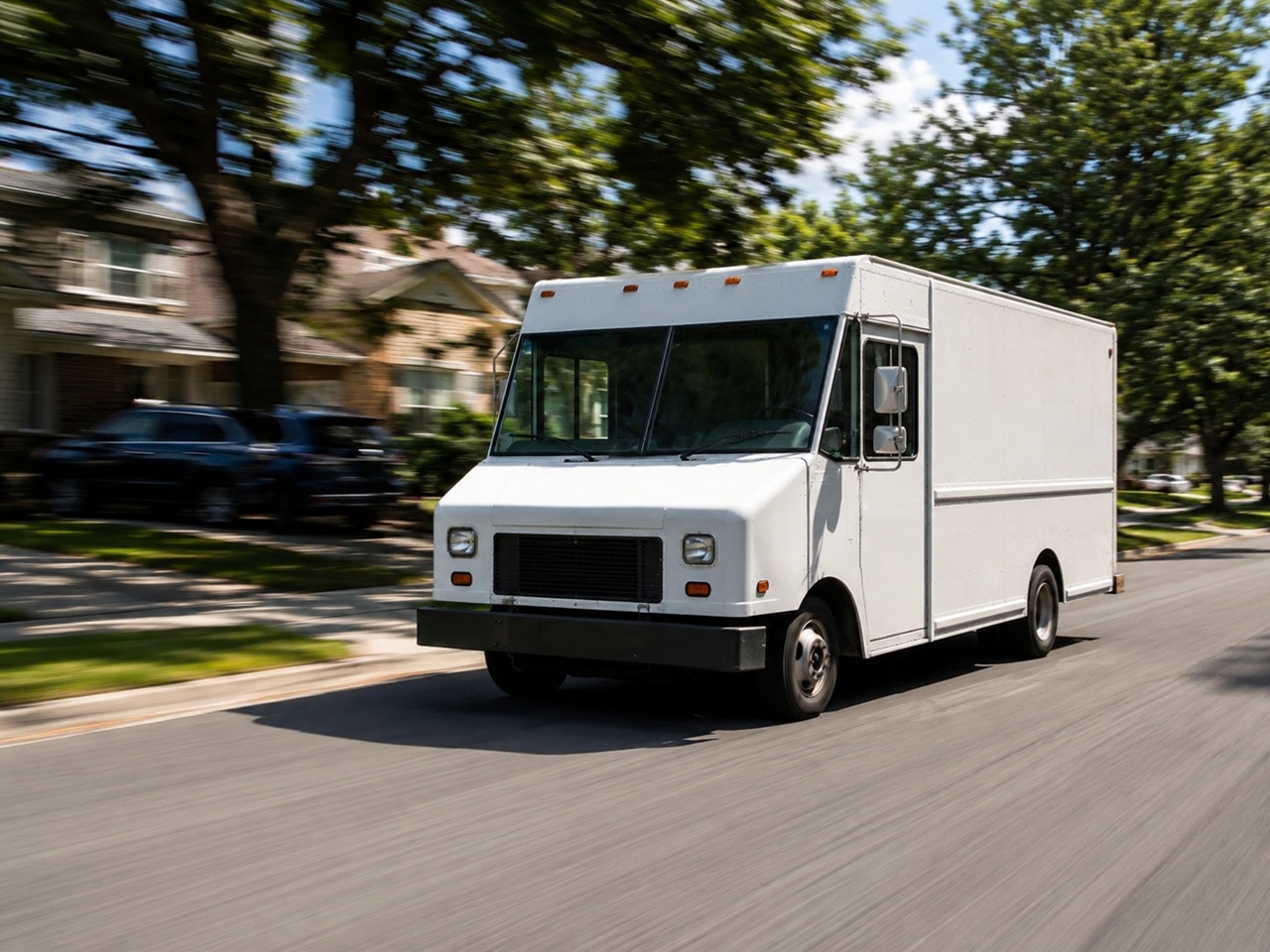
Amazon, UPS, And FedEx Truck Crashes Can Raise Bigger Liability Questions In Indiana
Delivery trucks fill Indiana streets and neighborhoods every day. Amazon, UPS, FedEx, and other package carriers make constant stops across Fort Wayne, Warsaw, and the surrounding communities. When one of these trucks causes a crash, the driver may not be the only party responsible.
The company behind the delivery may also matter. A crash involving an employee driver can raise different liability questions than a crash involving a contractor, subcontractor, or third-party delivery company. That difference can affect who can be sued, what insurance coverage may apply, and what evidence needs to be preserved before it disappears.
At Boughter Sinak, LLC, our Indiana truck accident attorneys know how quickly delivery companies and their insurers move after a crash. We investigate the driver, the vehicle, the delivery relationship, and the company’s role so injured victims are not left fighting only the person behind the wheel.
Why Are Delivery Truck Crashes Different From Ordinary Car Accidents?
A delivery truck crash may look simple at first. A driver ran a red light, backed into a pedestrian, sideswiped a vehicle, rear-ended traffic, or hit someone while rushing through a neighborhood. But the legal case can become much more complicated once the company structure is examined.
Many delivery crashes involve questions such as:
- Who employed or controlled the driver? The answer may affect whether the delivery company can be held responsible for the driver’s negligence.
- Who owned or maintained the vehicle? Poor inspection, repair, loading, or maintenance can point beyond the driver.
- What company set the route or schedule? Tight delivery windows, quotas, and tracking systems can create pressure that contributes to unsafe driving.
- What insurance policies apply? The driver, contractor, delivery partner, vehicle owner, or larger company may each have different coverage issues.
- Were federal or state safety rules involved? Some vehicles may qualify as commercial motor vehicles, depending on weight, use, and other factors.
Those questions make early investigation critical. If the case is treated like an ordinary crash, important company-liability evidence may be missed.
How Do Amazon, UPS, And FedEx Delivery Structures Affect Liability?
Amazon, UPS, and FedEx do not always structure last-mile delivery the same way. Some drivers may be direct employees. Others may work for contractors, delivery partners, or separate business entities. That structure matters because companies often try to use it as a defense after a crash.
If a driver was a direct employee acting within the scope of employment, the company may be responsible under respondeat superior, a legal rule that can hold an employer liable for an employee’s negligence on the job.
If the driver worked for a contractor or delivery partner, the case may require a deeper look at control. A company may argue it is not responsible because the driver technically worked for someone else. But labels do not always decide the issue. Courts and lawyers may look at who controlled the route, schedule, training, safety rules, vehicle requirements, delivery quotas, uniforms, tracking systems, and day-to-day work.
That is why a crash involving an Amazon, UPS, or FedEx truck should not be evaluated based only on the logo on the vehicle. The real question is who had the right to control the work and who contributed to the unsafe conditions that led to the crash.
What Legal Theories Can Hold A Delivery Company Responsible?
Indiana delivery truck accident claims may involve more than one theory of liability. The right theory depends on the driver’s work relationship, the company’s control, and what caused the crash.
Possible theories include:
- Respondeat Superior: An employer may be liable when an employee causes a crash while acting within the scope of employment.
- Negligent Hiring: A company may be responsible if it hired or approved a driver it should have known was unsafe.
- Negligent Training: A company may be liable if poor training contributed to unsafe backing, parking, turning, loading, or neighborhood driving.
- Negligent Supervision: A company may share responsibility if it ignored unsafe driving patterns, complaints, violations, or crash history.
- Negligent Entrustment: A company or vehicle owner may be liable for allowing an unsafe or unqualified driver to operate the delivery truck.
- Negligent Maintenance: Bad brakes, worn tires, faulty mirrors, broken lights, or poor inspection practices can shift focus to the company responsible for the vehicle.
The Indiana Supreme Court addressed how some of these theories work together in Sedam v. 2JR Pizza Enterprises, LLC. When an employer admits an employee was acting within the course and scope of employment, separate negligent hiring claims are often barred absent special circumstances. But that limitation may matter less when a company denies an employment relationship or disputes control from the start.
Why Does Contractor Status Matter So Much?
Contractor status matters because a company may use it to deny responsibility. After a crash, the larger company may say the driver worked for a separate contractor, the contractor hired the driver, and the contractor’s insurance should handle the claim.
That argument is not always the end of the case. A delivery company’s actual control may matter more than the wording of a contract. If the company dictated routes, monitored performance, required specific delivery methods, imposed tight deadlines, controlled equipment standards, or had the ability to remove unsafe drivers, those facts may support a broader liability claim.
These cases are often document-heavy. The contracts, route data, app records, safety manuals, driver qualification files, dispatch communications, and delivery metrics may reveal a much different story than the company tells in its first response.
Do Federal Safety Rules Affect Delivery Truck Cases?
They can. Under 49 CFR § 390.5, the federal definition of a commercial motor vehicle includes certain vehicles used on public highways in interstate commerce to transport property when they meet specific weight or use requirements. A vehicle can qualify based on gross vehicle weight rating, gross combination weight rating, gross vehicle weight, or gross combination weight of at least 10,001 pounds, whichever is greater.
That threshold can matter after a delivery crash because qualifying vehicles may trigger federal safety obligations involving driver qualifications, inspection, repair, maintenance, and records. Under 49 CFR Part 391, federal rules address driver qualifications for commercial motor vehicles. Under 49 CFR Part 396, federal rules address inspection, repair, and maintenance.
Not every delivery van meets the federal commercial motor vehicle threshold. Some vans may be lighter. Some crashes may involve local or intrastate issues. But even when federal rules do not apply, Indiana negligence law still does. A company cannot avoid responsibility simply because the vehicle was smaller than a tractor-trailer.
What Evidence Helps Prove Company Liability?
Building a strong claim against a delivery company depends on specific evidence. Some of that evidence can disappear quickly, especially when route data, app records, video, and internal communications are controlled by the company or contractor.
Important evidence may include:
- Driver Logs and Route Data: These records may show delivery schedules, stop counts, GPS tracking, time pressure, and whether the driver was rushing.
- Employment or Contractor Agreements: These documents can show who hired the driver, who controlled the work, and who accepted safety responsibilities.
- Hiring and Training Records: These records may reveal whether the driver was properly screened, trained, and supervised before being placed on the road.
- Vehicle Maintenance Records: Inspection and repair records can show whether the truck or van was safe before the crash.
- Electronic Communications: Dispatch messages, delivery app instructions, supervisor texts, and company emails may show pressure, control, or safety concerns.
- Crash Scene Evidence: Photos, witness statements, video, police reports, and vehicle damage can help prove how the collision happened.
Our firm moves quickly to preserve this evidence because delay often helps the delivery company more than the injured victim.
How Do Insurance Companies Defend Delivery Truck Claims?
Delivery truck crashes often involve aggressive insurance defenses. The company may argue that the driver was an independent contractor, that the vehicle was not under its control, that the crash occurred outside the scope of work, or that another party should be blamed.
The insurance company may also try to minimize the injuries, push a quick settlement, or claim the victim’s medical treatment was unnecessary. In serious cases, the defense may start gathering evidence before the injured person has even spoken with a lawyer.
That is why it helps to understand how insurance companies handle truck accident claims. These companies are not neutral. They are protecting their own financial exposure, and they may be building a defense while you are still recovering.
What Should You Do After A Delivery Truck Crash In Indiana?
After a crash involving an Amazon, UPS, FedEx, or other delivery truck, the first priority is medical care. But once everyone is safe, the next steps can help protect the claim.
- Call 911: Make sure police and emergency medical responders come to the scene.
- Get Medical Attention: Do not assume pain, dizziness, headaches, back pain, or soreness will go away on its own.
- Photograph the Truck: Capture the logo, license plate, DOT number if visible, company markings, damage, and the position of the vehicle.
- Look For Witnesses: Get names and contact information from anyone who saw the delivery driver’s actions before the crash.
- Preserve Video Quickly: Nearby homes, businesses, dashcams, doorbell cameras, or traffic cameras may have footage that disappears fast.
- Talk To A Lawyer Before Giving A Recorded Statement: Anything you say to the company or insurer may be used later to reduce or deny your claim.
The earlier a lawyer gets involved, the sooner evidence preservation letters can be sent, and the correct company structure can be investigated.
What Compensation Can An Injured Victim Recover?
An injured victim may be able to recover compensation for the full impact of the crash. The value of the case depends on the injuries, medical evidence, available insurance, fault issues, and which company or contractor can be held responsible.
Compensation may include:
- Medical Expenses: Emergency care, hospitalization, surgery, therapy, medication, follow-up appointments, and future treatment.
- Lost Wages: Income missed during recovery and reduced long-term earning capacity if the injuries affect future work.
- Property Damage: Repair or replacement of a damaged vehicle, bicycle, motorcycle, or other property.
- Pain and Suffering: Compensation for physical pain, emotional distress, and the disruption caused by the crash.
- Long-Term Care Needs: Serious injuries may require rehabilitation, home assistance, medical equipment, or ongoing support.
- Wrongful Death Damages: If a delivery truck crash is fatal, surviving family members may have a wrongful death claim.
Boughter Sinak, LLC has recovered millions for injured Hoosiers in trucking and commercial vehicle cases, including a $400,000 recovery for a head injury sustained by a cyclist struck by a company truck.
How Can An Indiana Delivery Truck Accident Lawyer Help?
Figuring out whether Amazon, UPS, FedEx, a contractor, a delivery partner, or another company bears responsibility can feel nearly impossible on your own. These companies and their insurers know how to raise arguments about contractor status, vehicle ownership, control, and insurance coverage.
Our Indiana delivery truck accident attorneys investigate those issues from the start. We review company relationships, preserve records, identify insurance coverage, gather crash evidence, work with experts when needed, and build cases designed to hold the right parties accountable.
If you were hurt by an Amazon, UPS, FedEx, or other delivery truck, contact us to schedule your free consultation. We can answer your questions, start protecting evidence, and help you understand what your case may be worth. You can come to our offices in Fort Wayne or Warsaw, or we can come to you.
“Boughter Sinak, LLC handled my claim with great care, winning my case and settling for more than my vehicle was worth! Couldn’t have asked for a better experience! Would recommend to anyone in search of an attorney. Thanks again Boughter Sinak, LLC!” – Michael W., ⭐⭐⭐⭐⭐